
What Is a Phase 2 Intrusive Site Investigation?
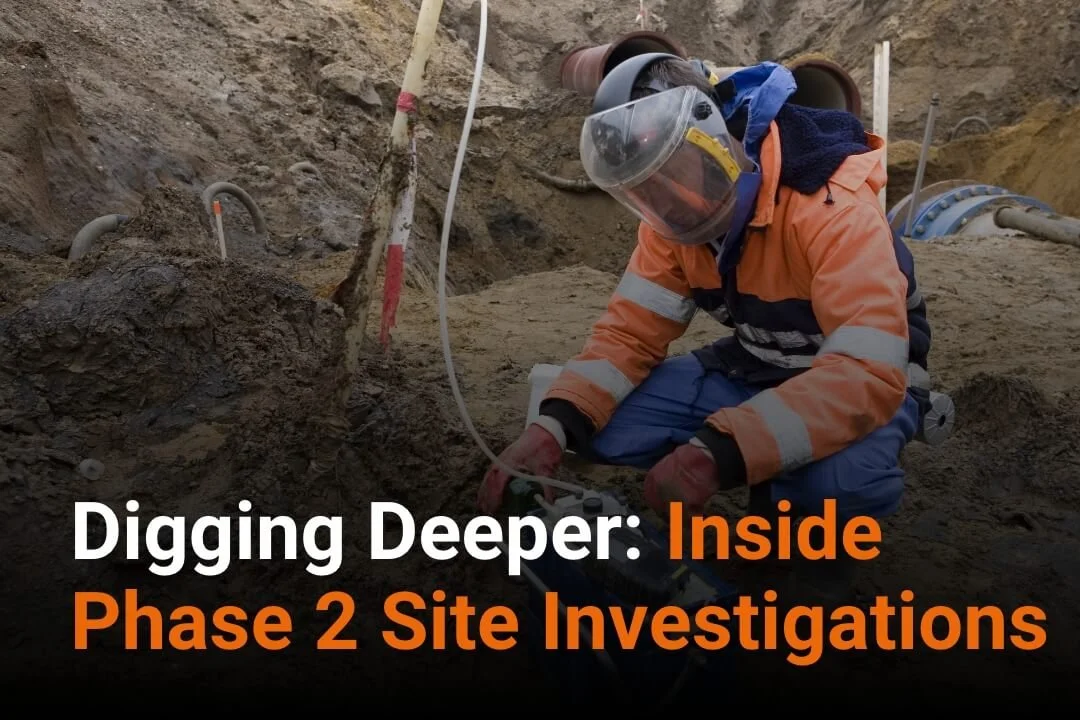
From desk study to ground truth: how Phase 2 confirms risks and informs design
Before you break ground on any development, it’s essential to understand what lies beneath the surface. A Phase 2 Intrusive Site Investigation is the step that turns predictions into evidence, building on the findings of your Phase 1 Desk Study. In this guide, we’ll explain exactly what a Phase 2 investigation involves, why it’s required for planning and safe design, the techniques used to gather accurate geotechnical and geoenvironmental data, and the deliverables you can expect. By the end, you’ll know how this process de-risks your project, ensures compliance with UK regulations, and provides the technical foundation for a successful build.
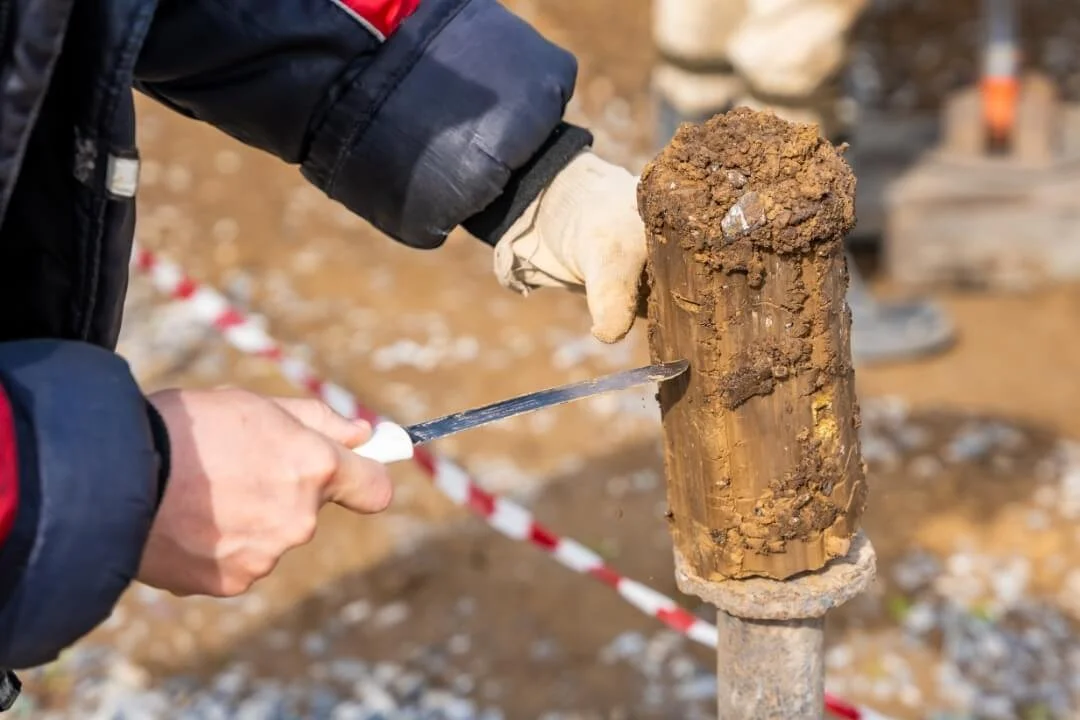
What is a Phase 2 Intrusive Site Investigation?
A Phase 2 investigation is the intrusive, on-site stage that proves what your Phase 1 Desk Study predicts. Using targeted trial pits, boreholes and in-situ tests, with groundwater/ground-gas monitoring and laboratory analysis, we characterise the strata, strength and stiffness of the ground, groundwater regime, and any geoenvironmental risks (e.g., land contamination, controlled waters, ground gas). All observations feed back into an updated Conceptual Site Model (CSM) so decisions are based on ground truth—not assumptions.
The outcome is an interpretive report with the design parameters your team needs: allowable bearing pressures and settlement estimates, pile inputs, earthworks classification (CBR/EV2), sulfate/pH and aggressive ground class, plus contamination screening and any remediation/validation requirements. Scope and reporting are aligned to UK best practice (BS 5930, BS EN 1997-2/Eurocode 7, BS 10175, BS 8485, BS 8576, BRE SD1) so you can satisfy planners, NHBC/Building Control and lenders—and move forward with a safe, compliant design.

When Do You Need a Phase 2 Site Investigation?
Phase 1/PRA indicates uncertainty or potential risk (e.g., contamination, soft/variable ground, mining legacy, ground gas).
Sensitive end uses (housing, schools, healthcare) or brownfield sites with Made Ground.
Projects requiring reliable design parameters (bearing, stiffness, consolidation, sulfate class).
To discharge planning conditions or satisfy NHBC/Building Control requirements.
What’s included: fieldwork, monitoring and laboratory testing
Exploratory holes
Trial pits (machine/hand) for shallow profiling, sampling and visual inspection.
Window/dynamic sample boreholes for shallow stratigraphy, SPTs and sampling.
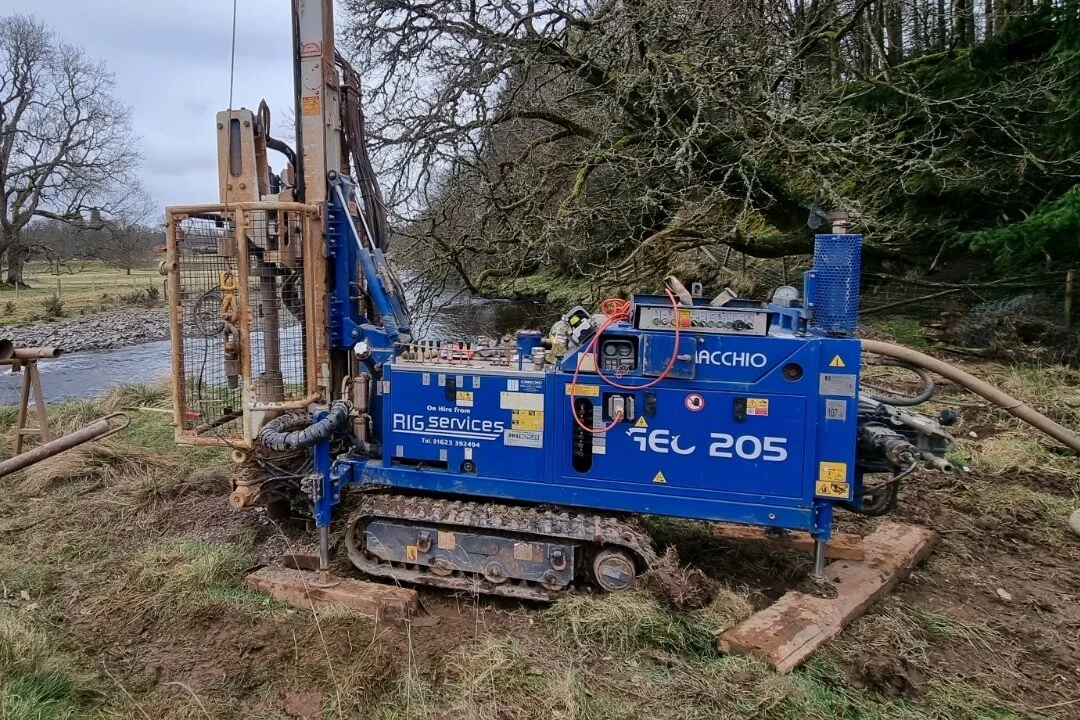
Cable percussion & rotary boreholes for deeper soils/rock with SPTs and core logging.
In-situ testing
SPT, DPSH/DPH, vane shear, plate load/EV2, CBR, permeability (falling/rising head), packer tests (rock).Monitoring installations
Standpipes/piezometers for groundwater and wells for ground gas (CH₄/CO₂/O₂ and flow); scheduled rounds over 2–3 weeks or as required.Laboratory testing
Geotechnical (moisture, PSD, Atterberg limits, strength, compressibility, sulfate/pH, aggressive ground) and chemical suites (metals, TPH/PAH, VOCs, asbestos in soil, leachability) where applicable.Specialist elements (as needed)
Coal Mining Risk probing/rotary, mine entry checks; PAS 128 utility clearance/UXO screening; waste classification (WM3); contamination delineation.Reporting & design inputs
Logs to AGS, updated CSM, risk assessment, foundation/earthworks parameters, gas classification (BS 8485), remediation/validation outline where relevant.
Standards commonly referenced: BS 5930, BS EN 1997-2 (Eurocode 7), BS 10175, BS 8576 (groundwater), BS 8485 (ground gas), BRE SD1 (concrete in aggressive ground).
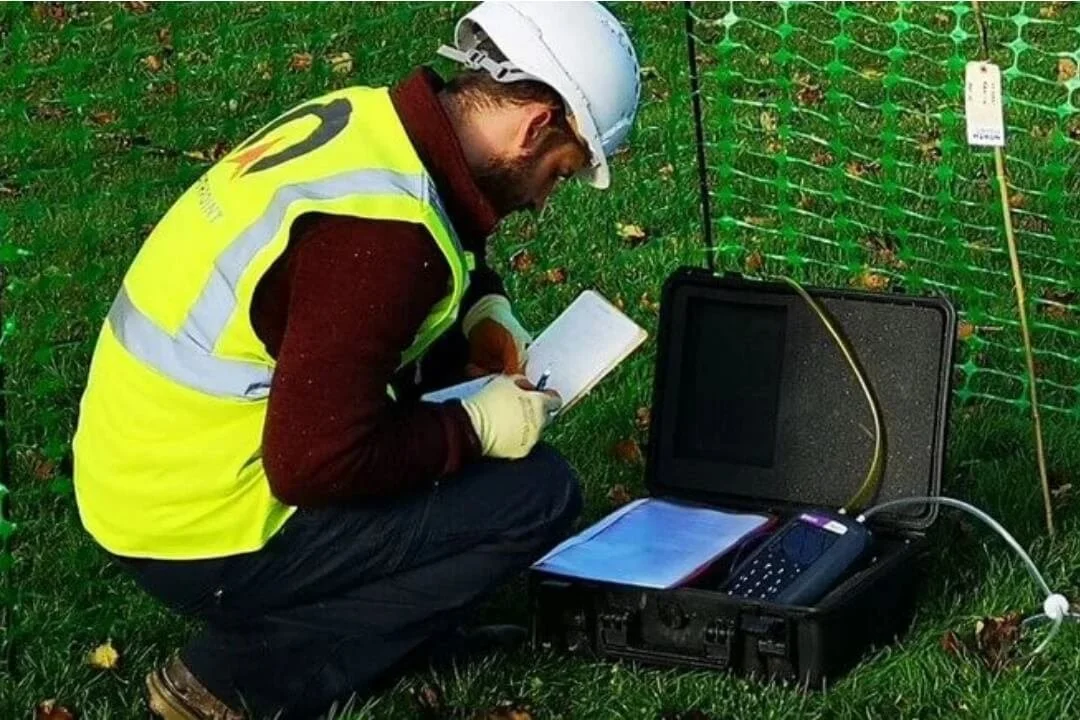
Timeline: scoping, site work, monitoring and reporting
Week 0–1: Scope finalisation, permissions (landowners; Coal Authority if applicable), utility searches/CAT & Genny, RAMS.
Week 1–2: Fieldwork (1–5 days typical; larger or deeper programs longer).
Week 2–4: Monitoring rounds (gas/water) if required.
Week 1–4: Laboratory testing (geotechnical and chemistry running in parallel).
Week 3–6: Interpretation & reporting (often overlaps with testing/monitoring).
Straightforward sites can complete in 2–3 weeks; brownfield or those requiring monitoring typically take longer.
Deliverables and design parameters you’ll receive
Factual records: location plan, exploratory hole logs, installations, monitoring results; AGS data where required.
Interpretive report: updated CSM, geotechnical & geoenvironmental risk assessment, and clear recommendations.
Design parameters: allowable bearing pressures, pile inputs, settlement estimates, earthworks classification/CBR/EV2, aggressive ground class.
Contaminated land outputs (if applicable): GAC screening, hotspot identification/delineation, ground gas CS and protection measures (BS 8485), outline remediation and validation strategy.
Next steps: further investigation (if needed), remediation/validation actions, or “no further action”.
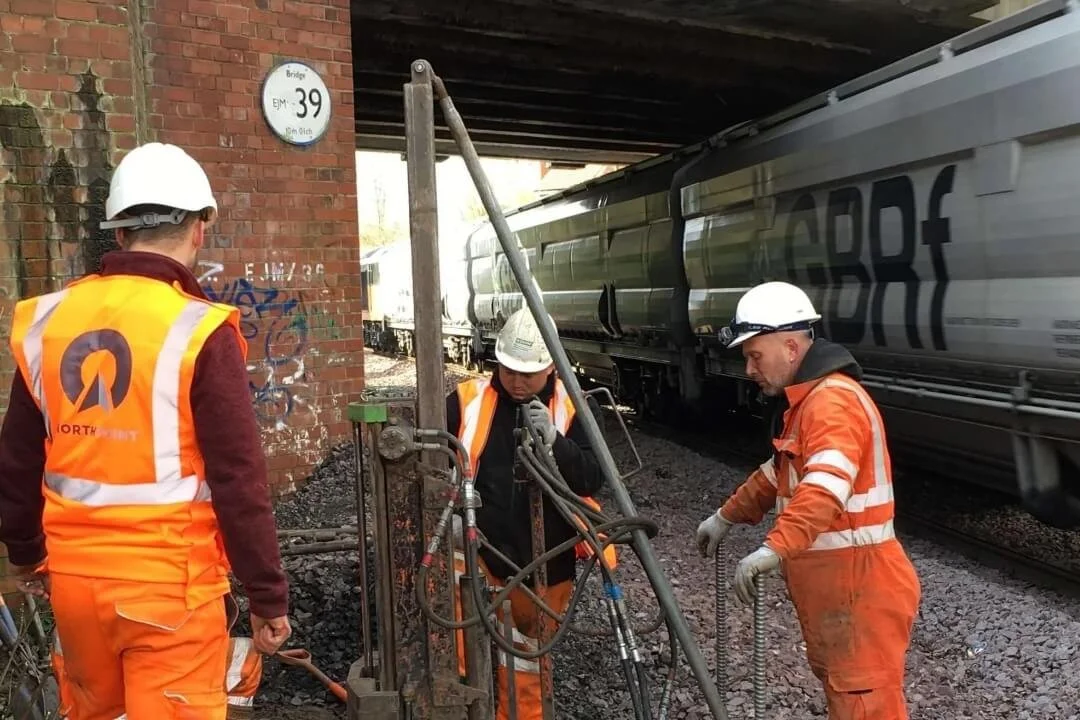
How to prepare your site for intrusive works
Share a red line plan and proposed layout/loads if known.
Confirm access/inductions/working hours; flag overhead lines, confined spaces, soft ground.
Provide utility plans and consider PAS 128 where services are uncertain.
Clear obstructions where holes are needed; arrange traffic management near highways; provide escorts/keys.
Nominate a single point of contact for day-to-day decisions.
If monitoring is likely, plan for re-visits and secure wells between rounds.
Common pitfalls to avoid (and how to stay compliant)
Even well-planned developments can face costly setbacks if a Phase 2 Intrusive Site Investigation is poorly scoped or executed. Here are the issues we see most often - and how to prevent them:
1. Under-scoping investigations
Too few or too shallow boreholes and trial pits can create a false sense of security. If ground conditions vary across the site, you risk missing critical hazards — leading to unexpected costs and the need for re-mobilisation. Always scope investigations to reflect site size, complexity, and proposed end use.2. Inadequate utility clearance
Failing to properly clear and survey underground services puts both safety and programme at risk. Striking a buried utility can cause delays, added cost, and regulatory scrutiny. PAS 128 utility surveys and safe excavation practices are non-negotiable.3. Skipping gas or groundwater monitoring
Where contamination or ground gas is suspected, omitting monitoring weakens the risk assessment. Regulators and warranty providers such as NHBC may reject reports that don’t include sufficient monitoring data. Schedule monitoring early to avoid delays later.4. Delivering factual-only outputs
Some consultants provide raw logs and lab results without interpretation. This leaves designers and contractors to “guess” what the data means. For planning submissions, lenders, and design teams, a clear interpretative report - with recommendations and risk register - is essential.5. Non-alignment with British Standards
If the investigation and reporting don’t align with BS 5930, BS 10175, or AGS guidance, planners and regulators may reject them. This leads to redesign, repeat works, and credibility loss. Ensure your investigation is designed, executed, and reported in line with UK industry standards.
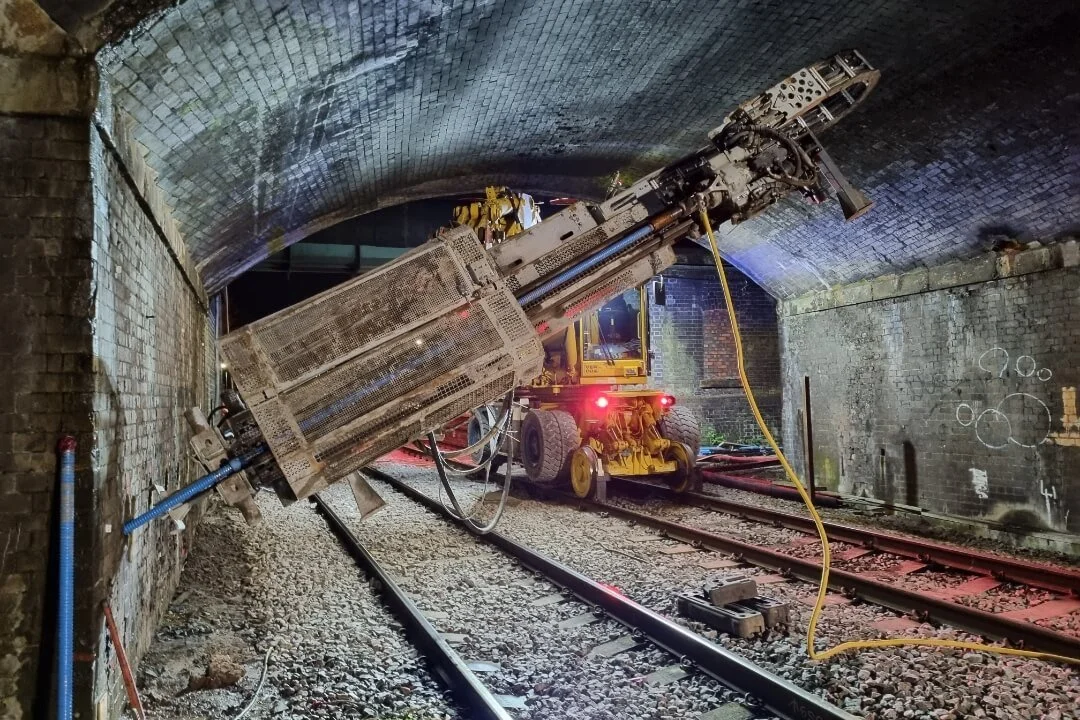
Example scope for a medium brownfield housing site
Exploratory holes: 8 × window sample boreholes to 5–10 m; 6 × machine trial pits to ~3 m.
In-situ: SPTs in WS holes; 2 × plate load tests for temporary works.
Monitoring: 6 × combined gas/water wells; 3 gas rounds over ~3 weeks.
Labs: Geotechnical (Atterberg, PSD, moisture; selected oedometer); Chemical (metals, TPH/PAH, VOCs on targeted locations); sulfate/pH for aggressive ground.
Reporting: Interpretive report with CSM update, bearing/settlement parameters, BS 8485 gas assessment, outline remediation/validation if required.
Phase 2 investigation FAQs
Is Phase 2 always required?
No. Low-risk, uniform sites sometimes proceed with limited verification. Most brownfield or sensitive end-use schemes will require a Phase 2.
Do we need planning approval first?
No. Phase 2 commonly supports planning and discharges conditions. You’ll need landowner permission and service clearance to break ground.
How many boreholes do we need?
It depends on site size, geological variability and structure type. More variability/depth usually means more locations and deeper investigation.
What about coalfield risks?
In coal areas, a Coal Mining Risk Assessment may trigger targeted probing/rotary holes and specific mitigation design; Coal Authority permissions may apply.
How long do lab results take?
Geotechnical tests often complete within 3–10 working days; chemical analyses typically take 5–10 working days, subject to suites and lab capacity.
Can monitoring be skipped?
If Phase 1 indicates possible ground gas or variable groundwater, monitoring is important. Skipping it weakens the risk assessment and can delay approvals.
Why a Robust Phase 2 Site Investigation Sets Your Project Up for Success
A Phase 2 Intrusive Site Investigation is more than a box-ticking exercise - it’s the foundation for safe, efficient, and compliant development. By identifying ground risks early, tailoring the investigation to your site’s conditions, and delivering clear interpretative reporting, you can avoid costly surprises and move forward with confidence.
At Northpoint Geotechnical, our team combines technical expertise with practical experience across the UK to ensure your investigation delivers actionable results, not just data. Whether your project involves residential, commercial, or infrastructure works, we’ll help you de-risk the ground and satisfy planning and regulatory requirements.
Talk to a geotechnical engineer about your project
Planning intrusive works or discharging conditions? Speak to an engineer about a right-sized Phase 2 scope, realistic timelines and clear deliverables.
BGA Member · RISQS Verified · Constructionline Gold