
What is Involved with a Desk Study Report?

Understanding the Role of a Desk Study Report in Site Investigation
A Desk Study Report - often called a Phase 1 Desk Study or Preliminary Risk Assessment - is the essential first step in assessing the risks and constraints of a development site. It brings together historic maps, geological records, environmental datasets, and an on-site walkover survey to identify hazards such as contamination, unstable ground, flooding, or legacy mining activity.

This early due diligence is crucial for developers, architects, engineers, and planning consultants. It provides the technical evidence required for planning approval, property transactions, and safe, cost-effective design. Without a desk study, intrusive investigations may be unfocused, more expensive, and risk missing critical issues.
In this guide, we’ll explain what a Desk Study Report involves, why it’s important, and how it supports successful development projects across the UK.
What is a Desk Study Report (Phase 1 Desk Study)?
A Desk Study Report is a non-intrusive preliminary investigation that reviews all available information about a site before construction or redevelopment begins. It acts as the foundation for a targeted Phase 2 Ground Investigation.
Depending on the context, it may also be called:
Preliminary Risk Assessment (PRA) - commonly used by local planning authorities.
Preliminary Geoenvironmental Appraisal - used by some consultants and engineers.
Regardless of the name, the purpose is the same: to identify potential risks early and provide evidence-based recommendations for next steps.
Why is a Desk Study Report Important for Development Projects?
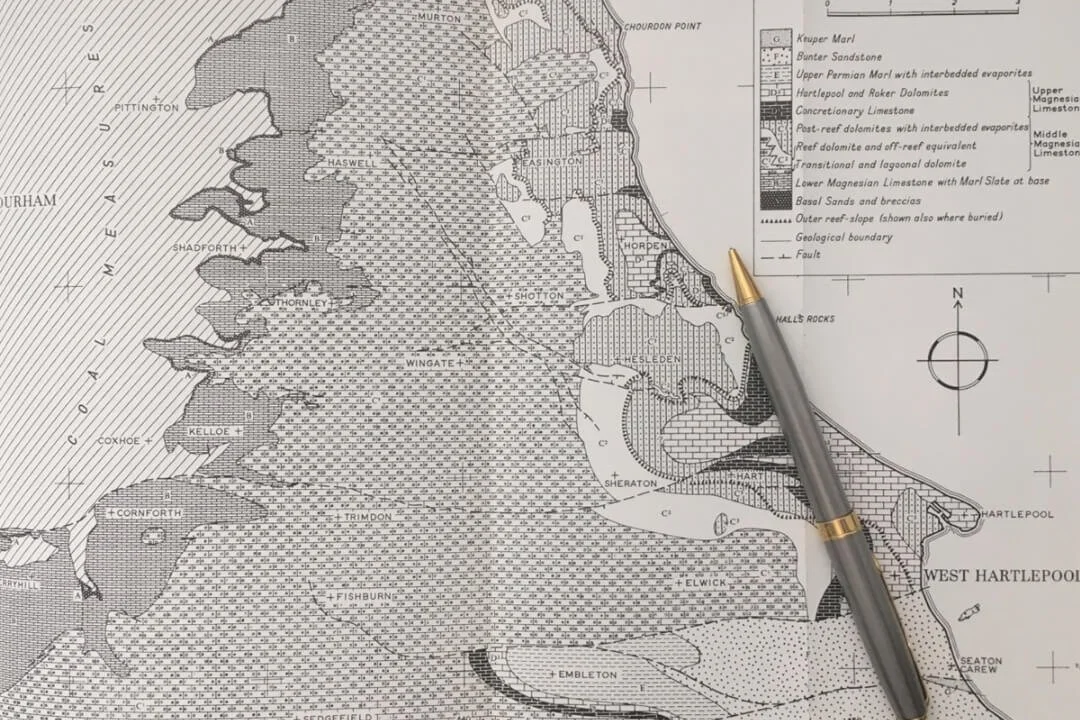
Industry guidance from the Association of Geotechnical and Geoenvironmental Specialists (AGS), the Environment Agency, and local planning authorities recognises that a Ground Investigation is incomplete without a Desk Study. By reviewing a site’s history and environmental records first, the study ensures that intrusive investigations are efficient, targeted, and compliant with planning and regulatory requirements.
Key benefits of a Desk Study Report include:
✅ Planning approval support - Local authorities frequently require a Phase 1 Desk Study (Preliminary Risk Assessment) as part of the planning application process. Submitting a robust report helps avoid delays and costly resubmissions.
✅ Early risk identification - Pinpoints potential geotechnical and geoenvironmental issues such as land contamination, mining legacies, unstable ground conditions, flooding risk, or radon gas before intrusive works begin.
✅ Cost savings and efficiency - A well-prepared Desk Study reduces the scope of intrusive investigations by focusing only on high-risk areas, saving both time and money. Without it, developers risk duplicated investigations or missing critical issues.
✅ Health, safety, and compliance - Provides a defensible evidence base for foundation design, remediation, and construction methodology, ensuring compliance with the Environment Agency, NHBC, and other regulatory bodies.
✅ Supports funding and transactions - Mortgage lenders, insurers, and investors may require a Desk Study as part of due diligence. A credible report reduces uncertainty and provides reassurance about the site’s viability.
What is Involved in a Desk Study Report?
1. Site Walkover Survey
A physical inspection of the site to record:
Signs of contamination (e.g. staining, waste deposits).
Invasive weed species (e.g. Japanese Knotweed).
Evidence of flooding, drainage runs, or unstable ground.
Access and egress constraints for future works.
2. Historical Review
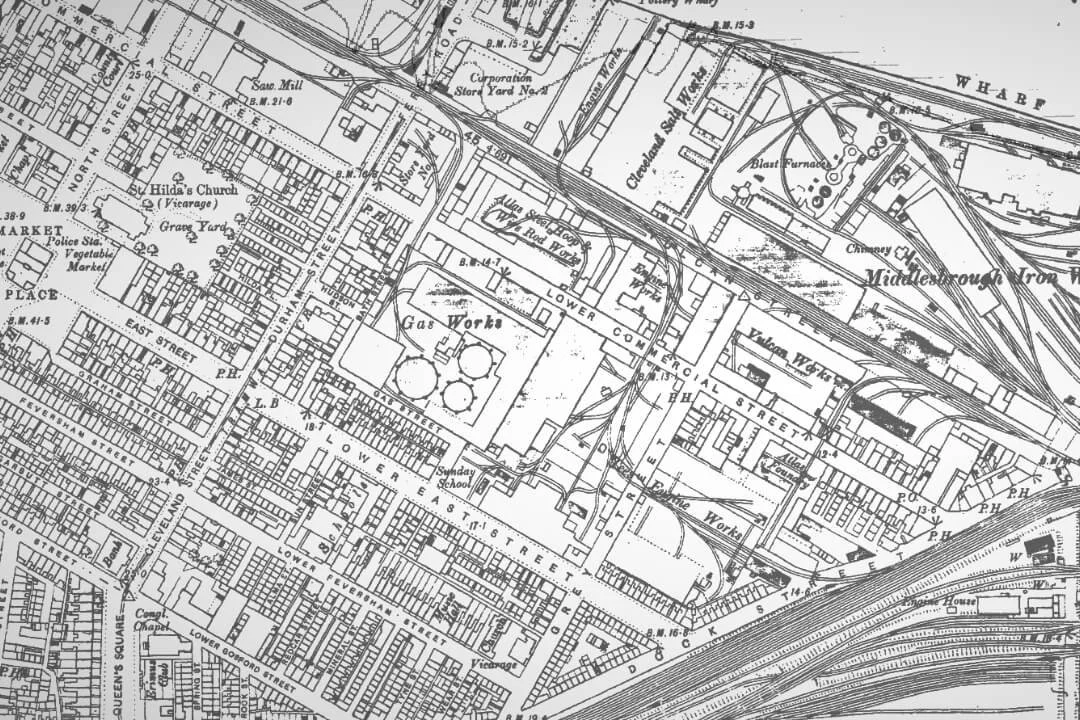
Study of old maps, aerial photographs, and planning records.
Identification of former industrial or residential uses.
Assessment of possible contamination linked to past activities.
3. Geological & Hydrogeological Assessment
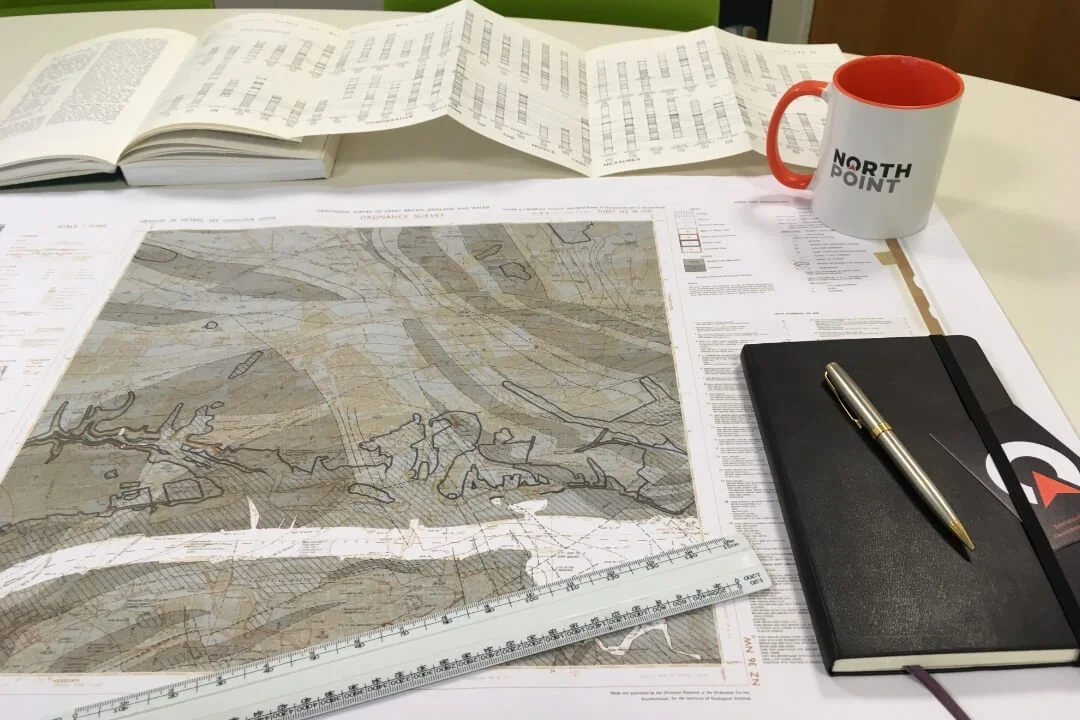
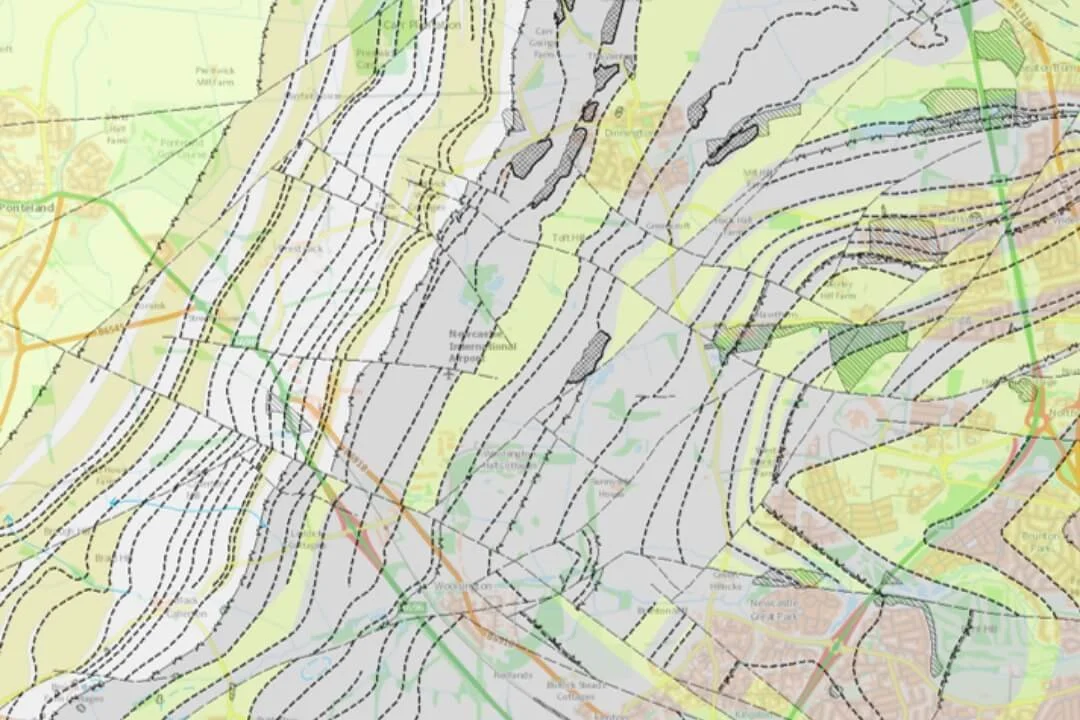
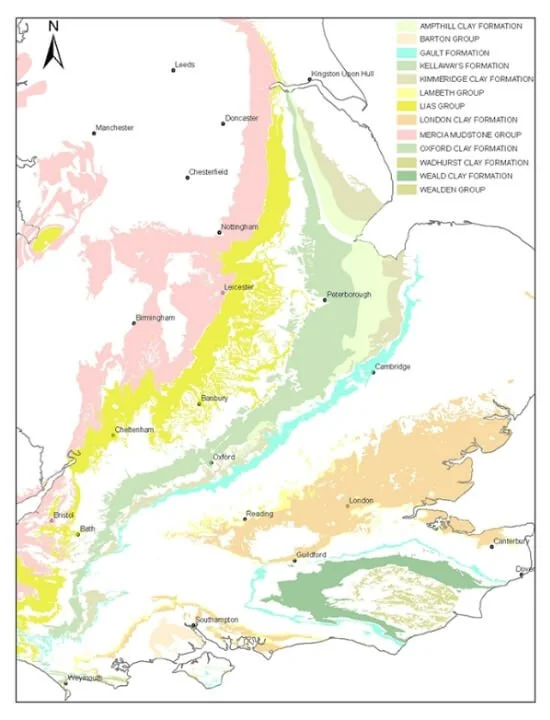
Review of British Geological Survey (BGS) maps and datasets.
Evaluation of underlying soils, rocks, and groundwater.
Consideration of radon potential and gas risks.
4. Mining & Coal Mining Risk Assessment
Desk-based review of mining records (coal, ironstone, gypsum).
Identification of seams, mine entries, or subsidence potential.
Assessment of whether further intrusive investigation is required.
5. Environmental & Regulatory Checks
Environment Agency flood maps and groundwater vulnerability.
Local authority contaminated land registers.
Landfill and waste management records.
6. Conceptual Site Model (CSM) & Risk Assessment
Establishment of Source-Pathway-Receptor relationships.
Preliminary risk classification of key hazards.
Recommendations for Phase 2 investigation or remedial measures.
What Does a Desk Study Report Deliver?
A completed Desk Study Report is more than a collection of maps and records - it provides a structured, professional interpretation of site risks and constraints. This ensures developers, designers, and planning authorities have the evidence they need to make informed decisions.
Typical outputs include:
✅ Detailed written report - A comprehensive document that summarises site history, geology, environmental data, and walkover findings in line with British Standards and AGS guidance.
✅ Conceptual Site Model (CSM) - A diagram or narrative explaining potential pollutant linkages (Source–Pathway–Receptor relationships), which is required by planning authorities and the Environment Agency.
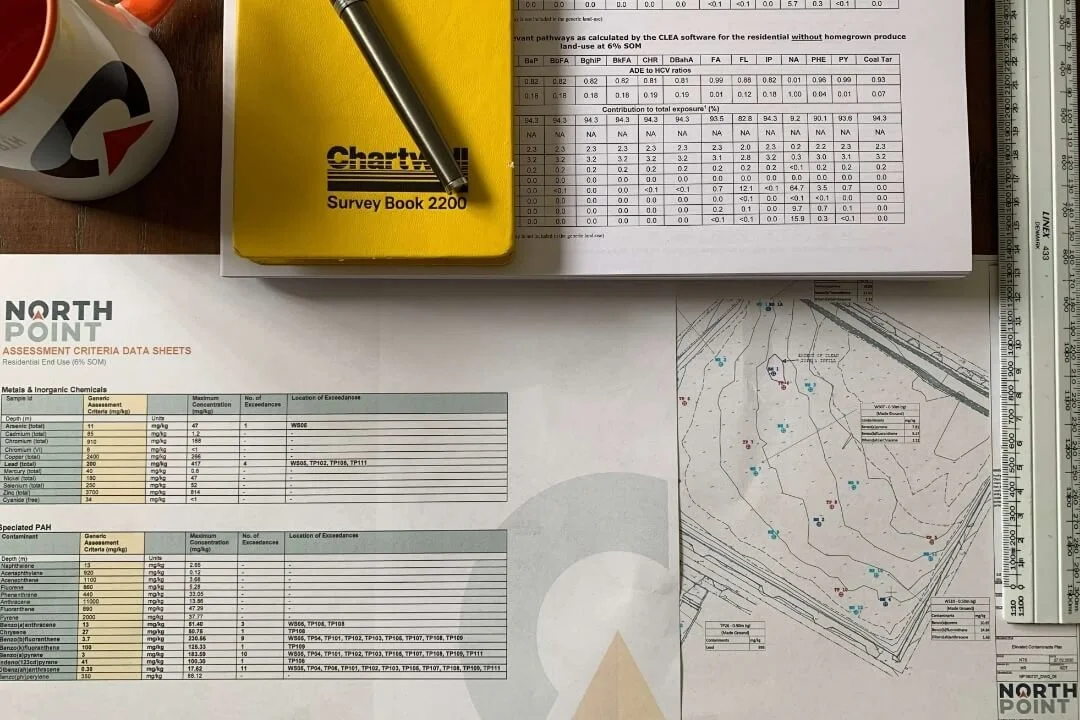
✅ Preliminary risk register - A clear table highlighting hazards such as contaminated land, unstable ground, mine workings, or flood risk, along with their potential impact on the project.
✅ Interpretive recommendations - Expert advice on whether risks can be managed, and if further intrusive investigation (Phase 2 Ground Investigation) is needed to confirm site conditions.
✅ Supporting documentation for approvals - Reports are designed to be submitted with planning applications, property transactions, or funding applications, giving stakeholders confidence in the project’s viability.
By providing these deliverables, a Desk Study Report becomes a critical early-stage document that reduces uncertainty, guides safe design, and supports regulatory compliance.
When Do You Need a Desk Study Report?
A Desk Study Report is required at multiple stages of the development and property lifecycle. In many cases, it is mandatory for planning approval or to satisfy funding and insurance conditions. Typical scenarios include:
✅ Planning applications - Local authorities often require a Phase 1 Desk Study (Preliminary Risk Assessment) before granting permission, especially on brownfield or sensitive sites. The report demonstrates that potential risks have been identified and that further investigation will be carried out if needed.
✅ Land acquisition and due diligence - Before purchasing land or property for development, a Desk Study highlights constraints such as contamination, unstable ground, or mining risks. This allows buyers to make informed decisions and avoid costly surprises later.
✅ Redevelopment of brownfield sites - Many urban sites have industrial or commercial histories that may leave a legacy of contamination or buried structures. A Desk Study provides the evidence base to design safe, compliant redevelopment strategies.
✅ Mortgage, funding, and insurance approvals - Lenders, insurers, and investors frequently request contamination risk assessments before financing a development. A Desk Study provides a recognised and defensible report to support funding applications.
✅ Infrastructure and public sector projects - For schools, transport, and community developments, a Desk Study ensures compliance with environmental regulations and protects stakeholders from liability.
By commissioning a Desk Study at the earliest stage, developers and landowners can streamline approvals, reduce financial risk, and progress projects with confidence.
How Long Does a Desk Study Report Take to Complete?
Most Desk Study Reports are completed within 1-2 weeks, though timescales vary depending on the size of the site, its historical complexity, and the availability of environmental and regulatory data.
Smaller greenfield sites with minimal historical records can often be turned around quickly, while larger brownfield or former industrial sites may take longer due to extensive archives, mapping, and potential coal mining records that must be reviewed.
A clear scope agreed at the outset helps ensure accurate timelines and efficient delivery.
Northpoint’s Expertise in Desk Study Reports
At Northpoint Geotechnical, we specialise in delivering comprehensive Phase 1 Desk Study Reports (Preliminary Risk Assessments) for projects across the UK. Our approach combines in-depth historical research, environmental datasets, and expert on-site surveys to provide reliable, regulator-compliant reporting.
Our reports are prepared in line with British Standards (BS 5930, BS 10175) and the guidance of the Association of Geotechnical and Geoenvironmental Specialists (AGS). This ensures they are accepted by local planning authorities, the Environment Agency, NHBC, mortgage lenders, and insurers.
From small residential developments to large-scale commercial, infrastructure, and public sector projects, our team delivers:
✅ Clear identification of geotechnical and environmental risks.
✅ Actionable recommendations to support safe, cost-effective design.
✅ Evidence-based reporting to secure planning approval and funding.
By choosing Northpoint, you benefit from a consultancy that is independent, experienced, and committed to helping clients de-risk sites from the very start of their project lifecycle.
Conclusion: Why a Desk Study is the Essential First Step
A Phase 1 Desk Study is not just a formality - it’s the foundation of every successful development project. By uncovering historical land use, assessing environmental and geological risks, and shaping a clear Conceptual Site Model, it gives you the clarity needed to move forward with confidence.
Getting it right at this stage saves time, reduces costs, and prevents unexpected setbacks later in the project lifecycle. More importantly, it ensures your development is safe, compliant, and built on a solid evidence base.
Planning a development project?
Start with a professional Desk Study Report from Northpoint Geotechnical. Our expert team ensures risks are identified early so your site is safe, compliant, and ready for development.
BGA Member · RISQS Verified · Constructionline Gold